The Gut: More Than Just Digestion
Many people think the gut is simply responsible for digesting food. However, it is much more than that. The gut acts as a control center for several major systems in the body.
Your gut influences:
- Immune system function
- Mental clarity and mood
- Skin health
- Metabolism and weight control
- Inflammation levels
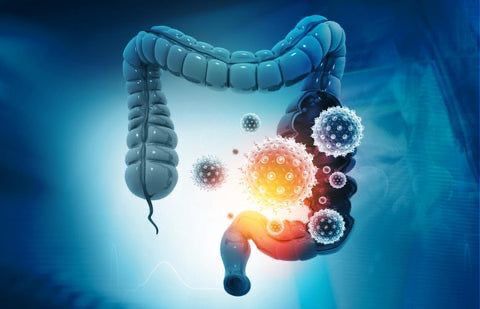
This happens through the gut microbiome, which is the community of trillions of bacteria living inside your digestive system. When this microbiome is balanced, your body functions efficiently. But when it becomes imbalanced, health problems begin to appear.
How Modern Lifestyle Damages Gut Health
Unfortunately, modern living has created many factors that harm the gut microbiome.
Some of the biggest causes include:
- Processed foods
- Excessive sugar
- Frequent antibiotic use
- Environmental toxins
- Stress
- Lack of exposure to natural environments
These factors reduce the diversity of beneficial bacteria in the gut, which is strongly associated with rising rates of chronic diseases such as obesity, diabetes, and autoimmune disorders.
The Importance of Microbiome Diversity
A healthy gut contains a wide variety of bacteria species. This diversity helps the body:
- Fight harmful microbes
- Reduce inflammation
- Improve digestion
- Support immune defenses
Traditional populations that consume natural foods and live closer to nature often have much more diverse gut microbiomes and significantly lower rates of modern chronic diseases.
The Balance Between Good and Bad Bacteria
Inside your gut, there is a delicate balance between beneficial and harmful bacteria.
Beneficial bacteria thrive in low-oxygen environments in the colon. When this environment is disrupted—often due to antibiotics, toxins, or metabolic dysfunction—harmful bacteria can begin to dominate.
This imbalance is known as gut dysbiosis, which can lead to:
- Digestive problems
- Leaky gut
- Chronic inflammation
- Immune dysfunction
Maintaining the right environment in the gut is essential for keeping beneficial bacteria alive and active.
Diet Strategies to Restore Gut Health:
- Food plays one of the most important roles in repairing the gut microbiome.
Reduce Processed Foods:
- Processed foods often contain unhealthy fats and additives that damage gut bacteria.
Eat Whole, Natural Foods:
- Whole foods like fruits, vegetables, and clean protein sources help nourish beneficial microbes.
Gradually Increase Fiber:
- Fiber feeds healthy bacteria and helps them produce beneficial compounds that protect the gut lining.
Avoid Excess Industrial Oils:
- Highly processed vegetable oils can increase inflammation and disrupt the microbiome.
- These dietary changes can help restore balance and improve overall digestive health.
Supplements That Support Gut Healing:
- Certain supplements may also help support gut recovery when used appropriately.
Examples include:
- Butyrate – supports gut lining repair
- Polyphenols – feed beneficial bacteria
- Targeted probiotics – help restore microbial balance
However, not all probiotics are effective. Many bacteria do not survive the journey through the digestive system unless properly protected.
The Role of Stress in Gut Problems
Stress is often overlooked when discussing gut health, but it plays a significant role.
Chronic stress can:
- Disrupt digestion
- Increase gut inflammation
- Slow the healing process
Practices such as breathing exercises, meditation, and relaxation techniques help activate the body’s healing response and support gut recovery.
Environmental Factors Affecting the Gut
Beyond diet and stress, environmental exposures can also impact gut health.
Common disruptors include:
- Microplastics
- Chemical toxins
- Pesticides
- Excessive electromagnetic exposure
Reducing exposure by using glass containers, choosing cleaner foods, and limiting plastic use can help protect the gut microbiome.
The Future of Gut Health
Advances in personalized health testing are making gut analysis more precise than ever. New microbiome tests and targeted therapies may soon allow individuals to restore their gut balance with greater accuracy.
Instead of treating disease after it appears, future healthcare may focus on preventing illness by maintaining a healthy gut ecosystem.
Final Thoughts
Your gut is not just a digestive organ—it is the foundation of your overall health. When your gut microbiome is balanced, your immune system, metabolism, brain, and overall wellness improve. By focusing on nutrition, stress management, toxin reduction, and targeted gut support, you can rebuild your gut ecosystem and move toward long-term health.